

Research Use Only
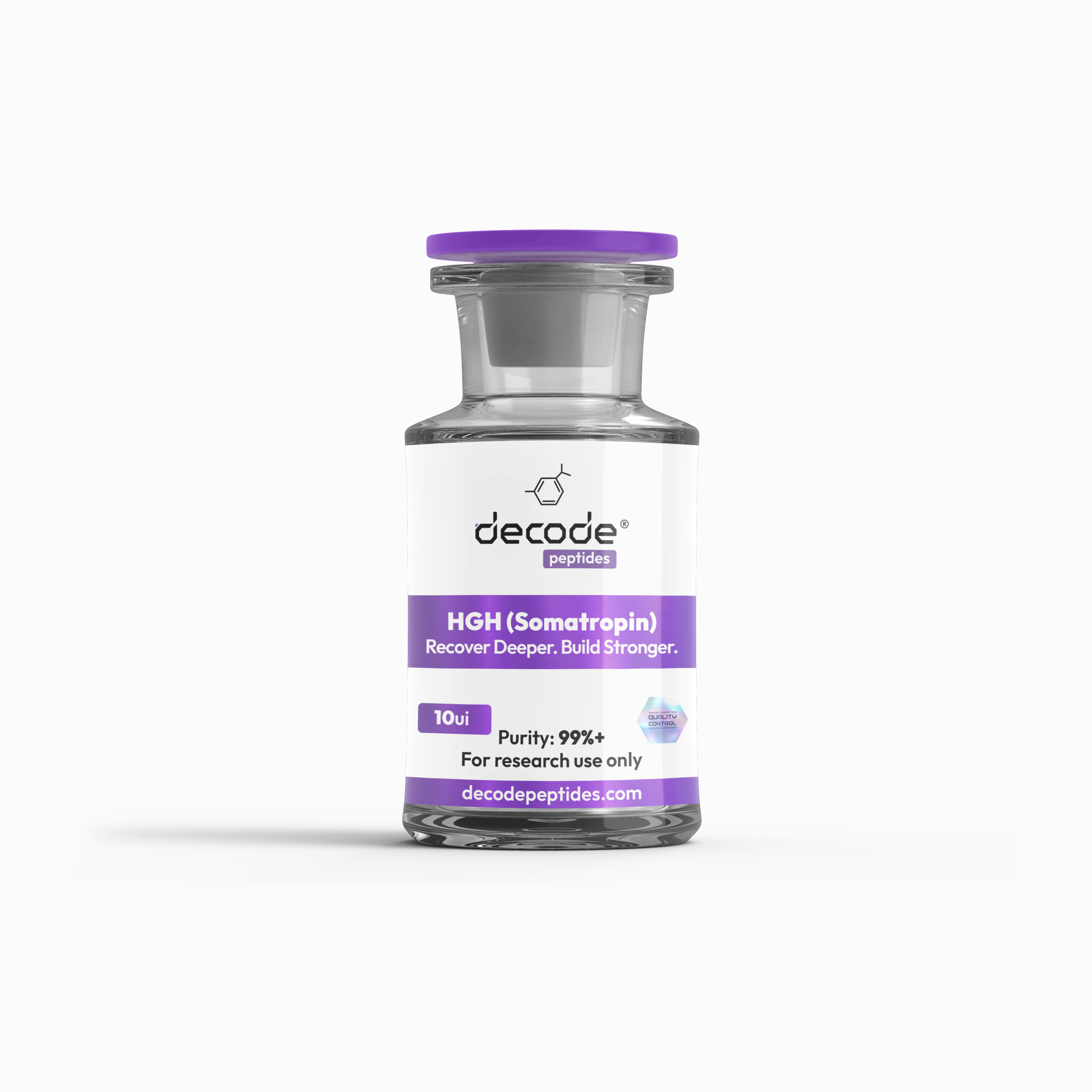
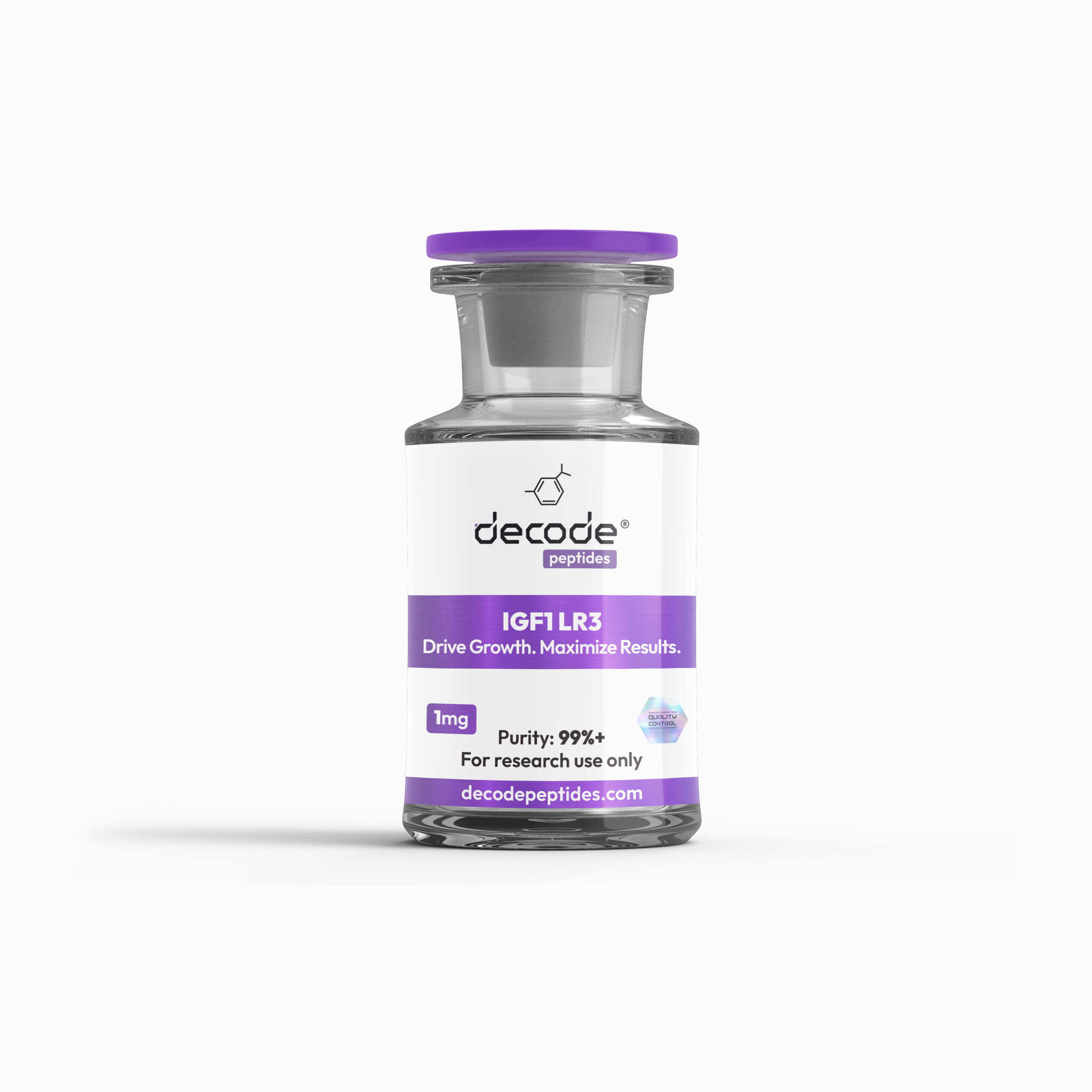
GH-Achsen-Stack – HGH-Somatropin & IGF-1 LR3
Preisspanne: € 60 bis € 90
Worldwide Shipping
Secure Checkout
Vollständiges Echtheitszertifikat enthalten
Ships within 24h
≥99% HPLC Purity
Forschungsqualität
Cold-Chain Shipped
Research Use Only
GH Axis Stack — HGH Somatropin & IGF-1 LR3: The Complete Growth Hormone Research Protocol
The GH-Achsenstapel pairs HGH Somatropin (recombinant human growth hormone, 191 amino acids) with IGF-1 LR3 (Insulin-like Growth Factor-1 Long R3 — the extended half-life analogue), providing researchers with both the upstream GH stimulus and its principal downstream effector molecule in a single protocol. This combination enables comprehensive investigation of the complete GH/IGF-1 somatotropic axis — the central neuroendocrine pathway governing body composition, cell growth, metabolism, and tissue regeneration throughout life.
HGH Somatropin: Upstream Axis Activator
What Is HGH Somatropin?
Human Growth Hormone (HGH), also known as somatotropin, is a 191-amino-acid single-chain polypeptide synthesised and secreted by somatotroph cells of the anterior pituitary gland. Recombinant HGH (rHGH/somatropin) has been used in clinical medicine since 1985 (FDA-approved) for growth hormone deficiency (GHD), Turner syndrome, Prader-Willi syndrome, chronic kidney disease (CKD), and AIDS-related wasting syndrome. It remains one of the most extensively studied peptide hormones in all of biomedical science, with thousands of peer-reviewed publications documenting its effects across virtually every organ system.
Mechanism of Action
HGH binds the GH receptor (GHR) — a single transmembrane domain cytokine receptor — initiating receptor dimerisation and activation of the associated JAK2 (Janus kinase 2) tyrosine kinase. This triggers cascades through multiple intracellular signalling pathways:
- JAK2 → STAT5b pathway: Phosphorylated STAT5b translocates to the nucleus and drives transcription of IGF-1, IGFBP-3 (IGF-binding protein 3), and acid-labile subunit (ALS) — the ternary complex that determines circulating IGF-1 bioavailability and half-life
- MAPK/ERK pathway: Regulates cell proliferation and differentiation; mediates anti-apoptotic effects of GH in hepatocytes, adipocytes, and muscle satellite cells
- PI3K/Akt pathway: Promotes glucose uptake, protein synthesis (via mTOR), and cell survival through phosphorylation of pro-apoptotic factors
- Direct lipolytic effects: Independently of IGF-1, GH activates hormone-sensitive lipase (HSL) and suppresses adipocyte lipoprotein lipase — shifting energy substrate utilisation from glucose toward fatty acid oxidation, reducing visceral adiposity
Key Research and Clinical Findings
- Body composition: GH administration in GH-deficient adults increased lean body mass by 5–10% and reduced fat mass by 10–20% after 6 months in multiple RCTs (Jorgensen JOL et al., 1989 — Lancet)
- Bone density: Increased bone mineral density (BMD) in GH-deficient adults by 4–8% per year; primary mechanism via IGF-1-driven osteoblast stimulation and reduced bone resorption (Rosen T et al., 1997 — J Clin Endocrinol Metab)
- Wound healing: GH administration accelerated burn wound healing in severely burned children and adults; increased collagen synthesis rates by 50–100% in clinical trials (Herndon DN et al., 1990 — Ann Surg)
- Cardiovascular function: Improved cardiac output, left ventricular wall thickness, and exercise capacity in GH-deficient patients after replacement therapy (Cuneo RC et al., 1991 — J Appl Physiol)
- The landmark Rudman study: GH administration in men over 60 produced increases in lean body mass (+8.8%), bone density (+1.6%), and skin thickness (+7.1%) equivalent to reversing 10–20 years of aging in these parameters (Rudman D et al., 1990 — N Engl J Med)
HGH Research References
- Jorgensen JO et al. “Beneficial effects of growth hormone treatment in GH-deficient adults.” Lancet, 1989;1(8649):1221–1225.
- Rudman D et al. “Effects of human growth hormone in men over 60 years old.” N Engl J Med, 1990;323(1):1–6.
- Molitch ME et al. “Evaluation and treatment of adult growth hormone deficiency: an Endocrine Society clinical practice guideline.” J Clin Endocrinol Metab, 2011;96(6):1587–1609.
- Herndon DN et al. “Muscle protein catabolism after severe burn: effects of IGF-1/IGFBP-3 treatment.” Ann Surg, 1999;229(5):713–720.
IGF-1 LR3: The Long-Acting Downstream Effector
What Is IGF-1 LR3?
IGF-1 LR3 (Insulin-like Growth Factor-1 Long Arg3) is a recombinant analogue of endogenous IGF-1 with two critical structural modifications: an N-terminal methionine extension and substitution of glutamic acid at position 3 with arginine (R3). This arginine substitution dramatically reduces binding affinity to IGF-binding proteins (especially IGFBP-3 and IGFBP-1) — the primary transport and clearance proteins for circulating IGF-1 in vivo. The result is a half-life of 20–30 hours vs. approximately 12–15 minutes for native IGF-1, and dramatically enhanced bioavailability and sustained receptor occupancy at peripheral tissues.
Mechanism of Action
IGF-1 LR3 binds the IGF-1 receptor (IGF-1R) — a receptor tyrosine kinase structurally homologous to the insulin receptor — initiating autophosphorylation at tyrosine residues and downstream signalling through two primary anabolic/survival pathways:
- PI3K → PDK1 → Akt → mTORC1: The dominant anabolic pathway. mTOR Complex 1 phosphorylates S6K1 and 4E-BP1 — the rate-limiting steps in ribosomal biogenesis and cap-dependent translation initiation respectively. Net effect: dramatically increased rate of protein synthesis at the translational level
- Ras → Raf → MEK → ERK: MAPK pathway driving cell cycle progression (G1→S transition via cyclin D1 upregulation), DNA replication, and terminal differentiation programs
- Akt → FOXO suppression: Akt phosphorylates FOXO1/3a transcription factors, sequestering them in the cytoplasm and preventing transcription of muscle atrophy genes (MuRF1, MAFbx/Atrogin-1) — directly inhibiting proteolysis and muscle wasting
- Satellite cell activation: IGF-1R signalling on skeletal muscle satellite (stem) cells drives proliferation and differentiation into new myofibres — the only established pathway for adding new myonuclei and genuine hypertrophic growth capacity
Key Research Findings
- Muscle hypertrophy: Local IGF-1 LR3 injection into rat hindlimb muscle produced a 25% increase in muscle mass over 7 days without systemic GH changes — demonstrating autocrine/paracrine sufficiency (Coleman ME et al., 1995 — J Biol Chem)
- Satellite cell proliferation: IGF-1 LR3 increased satellite cell proliferation by 3.5-fold in cultured human myoblasts vs. native IGF-1 at equivalent molar doses (Foulstone EJ et al., 2003)
- Anti-catabolism: In burn injury models, IGF-1 LR3 treatment significantly attenuated net muscle protein catabolism and nitrogen loss vs. placebo — potentially superior to HGH alone for preserving lean mass during severe metabolic stress
- Neuronal survival: IGF-1 is robustly neurotrophic; IGF-1 LR3’s extended half-life makes it the preferred research tool for studying neuronal survival, axonal regeneration, and ALS/neurodegenerative disease pathways (Ishii DN et al., 1994)
- Cancer biology: IGF-1R is upregulated in many cancers; IGF-1 LR3 is extensively used in oncology research to model tumour-promoting growth environments and evaluate IGF-1R inhibitor efficacy
IGF-1 LR3 Research References
- Coleman ME et al. “Myogenic vector expression of insulin-like growth factor I stimulates muscle cell differentiation and myofiber hypertrophy.” J Biol Chem, 1995;270(20):12109–12116.
- LeRoith D et al. “The role of the insulin-like growth factor-I receptor in cancer.” Ann N Y Acad Sci, 2003;995:58–68.
- Foulstone EJ et al. “Role of insulin-like growth factor binding protein-3 (IGFBP-3) in the insulin-like growth factor axis of human skeletal muscle.” J Cell Physiol, 2003;196(2):229–240.
- Singleton JR et al. “Insulin-like growth factor I as a substrate for epidermal growth factor signaling in motor neuron disease.” Brain Res, 2000;888(2):241–248.
Why Stack HGH + IGF-1 LR3? The Full-Axis Research Rationale
Endogenous GH drives hepatic IGF-1 production via JAK2/STAT5. Exogenous IGF-1 LR3 bypasses this hepatic dependence and delivers sustained receptor occupancy at peripheral tissues — independently of IGFBP sequestration and hepatic first-pass metabolism. In research protocols, this creates a uniquely complete axis model:
| Compound | Axis Level | Primary Outputs | Halbwertszeit |
|---|---|---|---|
| HGH Somatropin | Upstream (pituitary ligand → hepatic IGF-1 production) | Lipolysis, direct GHR effects, hepatic IGF-1 induction | ~15–30 min (IV) / ~4 h (SC) |
| IGF-1 LR3 | Downstream (peripheral tissue IGF-1R agonist) | mTOR/protein synthesis, satellite cell activation, anti-catabolism | 20–30 Stunden |
Studying each in isolation provides only a partial view of the somatotropic axis. Together they allow investigation of the complete upstream-downstream signalling network — from pituitary release through hepatic production to peripheral tissue response — across the full physiological cycle. This makes the GH Axis Stack the definitive research tool for body composition, anabolic metabolism, and growth factor biology studies.
All products in this bundle are supplied for research purposes only. Not for human consumption. Not evaluated by any regulatory authority.
Ähnliche Produkte
Research Use Only — Important Notice
For in vitro research use only. Not for human or veterinary use. Not intended to diagnose, treat, cure, or prevent any disease or condition. This product is supplied exclusively for qualified in vitro research. Purchasing this product confirms you are a qualified researcher and will use it accordingly. Learn about our quality standards →
For in vitro research use only. Not for human or veterinary use. Not intended to diagnose, treat, cure, or prevent any disease or condition. This product is supplied exclusively for qualified in vitro research. Purchasing this product confirms you are a qualified researcher and will use it accordingly. Learn about our quality standards →
Peptid-Enzyklopädie – 28 Verbindungen
Alle anzeigen →
🛡️
ARA-290
Immun
🩹
BPC-157
Heilung und Genesung
🧠
Cerebrolysin
Kognitiv
📈
CJC-1295
Wachstumshormon
🧠
Dihexa
Kognitiv
🌙
DSIP (Delta-Schlaf-induzierendes Peptid)
Schlafen
🧬
Epithalon (Epithalon)
Anti-Aging & Langlebigkeit
🩹
GHK-Cu (Kupferpeptid)
Heilung und Genesung
🛡️
HCG (Humanes Choriongonadotropin)
Hormone
📈
HGH Somatropin
Wachstumshormon
📈
IGF-1 LR3
Wachstumshormon
📈
Ipamorelin
Wachstumshormon
🛡️
Kisspeptin-10
Hormone
🛡️
LL-37 (Cathelicidin)
Immun
💊
Melanotan II
Sexuelle Gesundheit
⚖️
WÖRTER-C
Stoffwechsel
🧬
NAD+ (Nicotinamidadenindinukleotid)
Anti-Aging & Langlebigkeit
💊
Oxytocin
Sexuelle Gesundheit
💊
PT-141 (Bremelanotid)
Sexuelle Gesundheit
⚖️
Retatrutid (LY3437943)
Stoffwechsel
🧠
Selank
Kognitiv
⚖️
Semaglutid
Stoffwechsel
🧠
Semax
Kognitiv
🧬
SS-31 (Elamipretid)
Anti-Aging & Langlebigkeit
🩹
TB500 (Thymosin Beta-4)
Heilung und Genesung
🛡️
Thymosin Alpha-1 (Tα1)
Immun
⚖️
Tirzepatide
Stoffwechsel
🛡️
VIP (Vasoaktives intestinales Peptid)
Immun
 English
  Deutsch
  Deutsch (Österreich)
  Français
  Magyar
  Slovenčina
  Slovenščina
  Hrvatski
  Deutsch (Schweiz)
  Polski
  Čeština
  Nederlands
Solid source. GH Axis Stack was packaged correctly and muscle recovery effects are exactly what the preclinical literature predicts. Verified purchase from Switzerland.
Solid source. GH Axis Stack was packaged correctly and muscle recovery effects are exactly what the preclinical literature predicts. Verified purchase from Switzerland.
Incredible results with GH Axis Stack. After 6 weeks I noticed significant improvement in IGF-1 levels. Will definitely reorder. Verified purchase from Czech Republic.
Incredible results with GH Axis Stack. After 6 weeks I noticed significant improvement in IGF-1 levels. Will definitely reorder. Verified purchase from Czech Republic.
Good experience with GH Axis Stack. muscle recovery improvements are noticeable though took a bit longer than expected. Quality is solid. Verified purchase from Singapore.
Good experience with GH Axis Stack. muscle recovery improvements are noticeable though took a bit longer than expected. Quality is solid. Verified purchase from Singapore.
Solid product overall. GH Axis Stack delivered on GH axis optimization within about 4-5 weeks. Packaging could be slightly more insulated. Verified purchase from Switzerland.
Solid product overall. GH Axis Stack delivered on GH axis optimization within about 4-5 weeks. Packaging could be slightly more insulated. Verified purchase from Switzerland.
GH Axis Stack is doing the job for my research purposes. growth hormone axis is the primary outcome I’m tracking and it’s moving in the right direction.
Verified purchase — Italy
GH Axis Stack hat meine Erwartungen übertroffen. Bereits in den ersten zwei Wochen bemerkte ich Verbesserungen bei der GH-Achsenoptimierung. Ich bestelle sofort nach. Kauf aus Irland verifiziert.
GH Axis Stack hat meine Erwartungen übertroffen. Bereits in den ersten zwei Wochen bemerkte ich Verbesserungen bei der GH-Achsenoptimierung. Ich bestelle sofort nach. Kauf aus Irland verifiziert.
Fast dispatch, proper cold chain, and the GH Axis Stack reconstituted perfectly. Results speak for themselves — anabolic signaling is remarkable.
Verifizierter Kauf – Vereinigte Staaten
Switched from a competitor to Decode for GH Axis Stack. Night and day difference in muscle recovery outcomes. Staying here. Verified purchase from New Zealand.
Switched from a competitor to Decode for GH Axis Stack. Night and day difference in muscle recovery outcomes. Staying here. Verified purchase from New Zealand.
Good experience with GH Axis Stack. GH axis optimization improvements are noticeable though took a bit longer than expected. Quality is solid. Verified purchase from France.
Good experience with GH Axis Stack. GH axis optimization improvements are noticeable though took a bit longer than expected. Quality is solid. Verified purchase from France.
The GH Axis Stack quality is exceptional. Clear solution, correct lyophilized weight, and muscle recovery effects started around day 10. Verified purchase from Czech Republic.
The GH Axis Stack quality is exceptional. Clear solution, correct lyophilized weight, and muscle recovery effects started around day 10. Verified purchase from Czech Republic.
Been using GH Axis Stack for 3 months. The quality is clearly top-tier, muscle recovery has improved noticeably. Fast shipping. Verified purchase from Australia.
Been using GH Axis Stack for 3 months. The quality is clearly top-tier, muscle recovery has improved noticeably. Fast shipping. Verified purchase from Australia.
Happy with my GH Axis Stack purchase. Shipping was fast and IGF-1 levels protocol is progressing well. Great product overall. Verified purchase from Australia.
Happy with my GH Axis Stack purchase. Shipping was fast and IGF-1 levels protocol is progressing well. Great product overall. Verified purchase from Australia.
GH Axis Stack exceeded my expectations. Noticed anabolic signaling improvements within the first two weeks. Reordering immediately.
Verifizierter Kauf – Neuseeland
Couldn’t be happier. GH Axis Stack is consistently dosed and the growth hormone axis effects are exactly what the literature suggests.
Verifizierter Kauf – Südkorea